
𝗢𝗨𝗥 𝗣𝗥𝗢𝗗𝗨𝗖𝗧𝗦
ALL TYPES OF METAL SCRAPS
ALUMINIUM SCRAP
ALL TYPES OF ALUMINIUM SCRAP
COMMON TYPES OF FERROUS AND NON FERROUS SCRAP
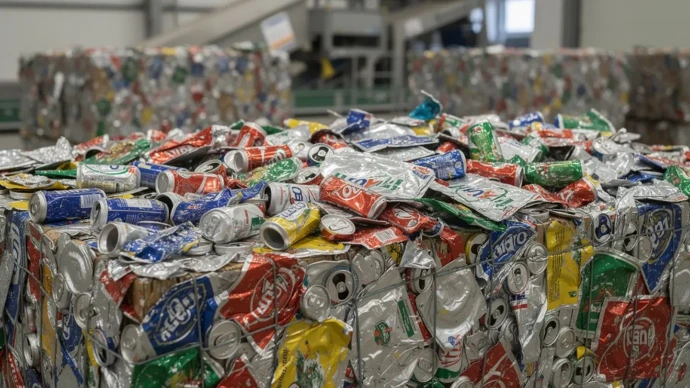
USED BEVRAGE CAN
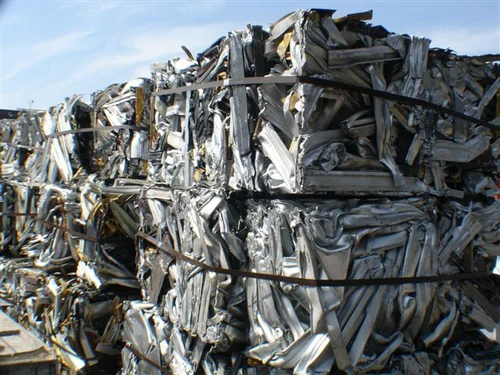
ALUMINIUM EXTRUSION SCRAP
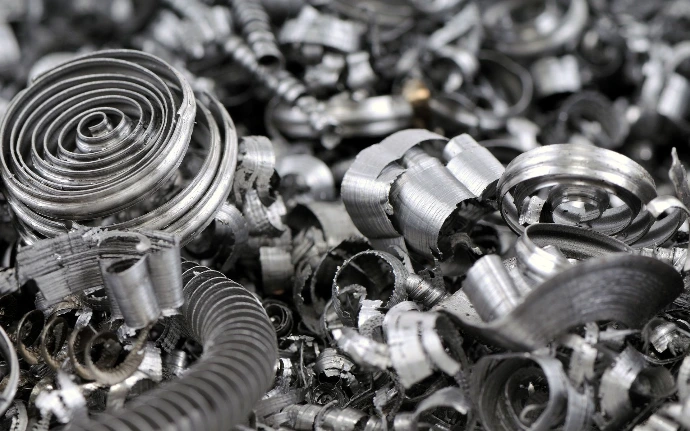
STEEL SCRAP
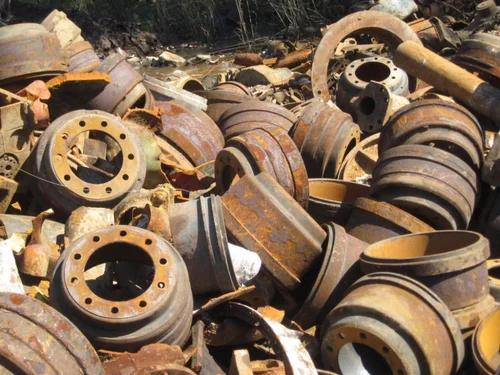
IRON
SCRAP
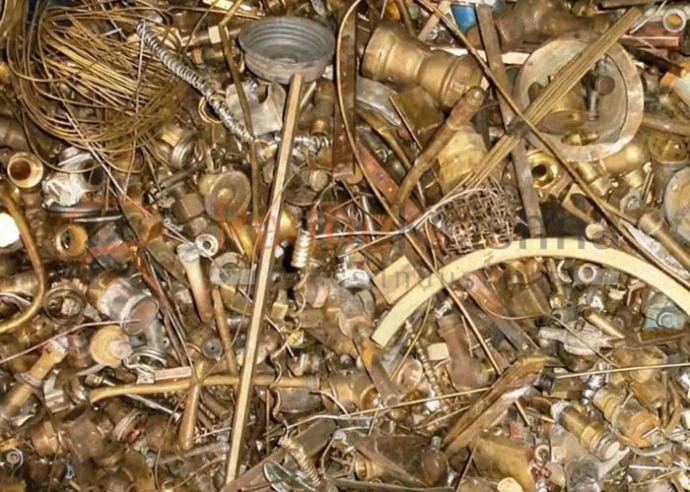
BRASS SCRAP
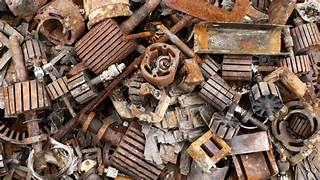
MACHINERY SCRAP
NON FERROUS SCRAP
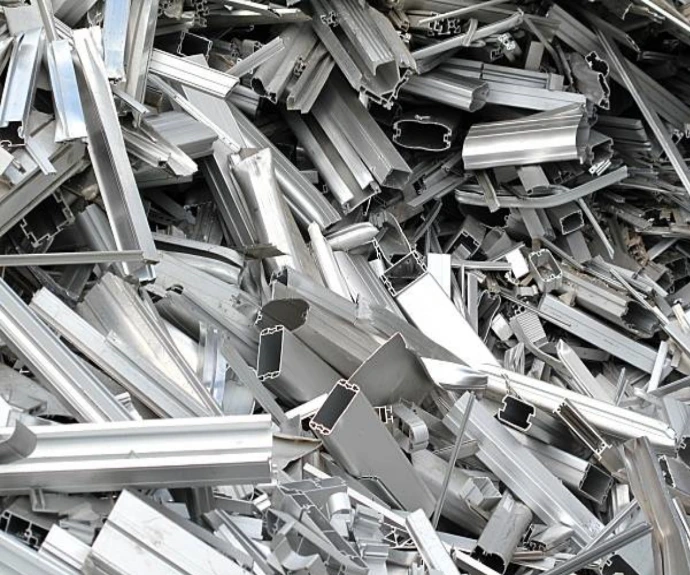
ALUMINIUM 6063 EXTRUSION
ISRI CODE: TREAD
DESCRIPTION: Clean aluminum extrusion scrap including structural extrusion.
APPLICATION: Used for re-extrusion and aluminum billet production.
USED BEVERAGE CAN
ISRI CODE: TALDAN
DESCRIPTION: Clean used aluminum beverages can suitable for recycling.
APPLICATION: Remelted to manufacture new aluminum cans and products
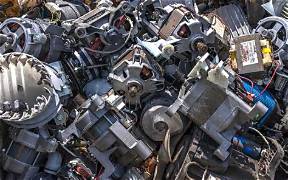
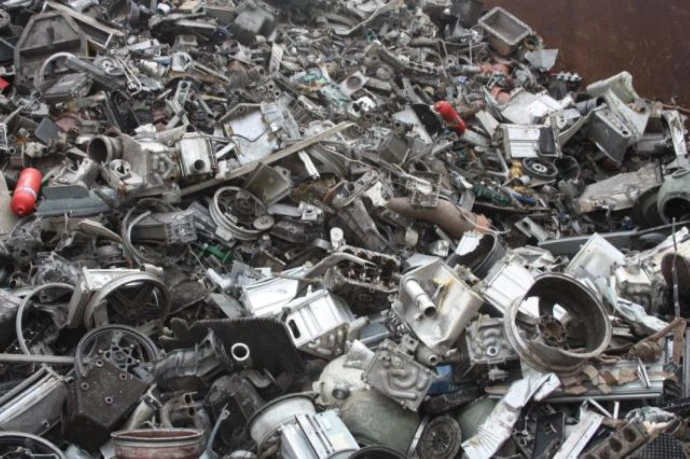
MOTOR SCRAP
DESCRIPTION: Scrap electrical motor containing copper windings and steel housing
COMPOSITION: Copper , steel and aluminum components
APPPLICATION: Processed for copper recovering and recycling
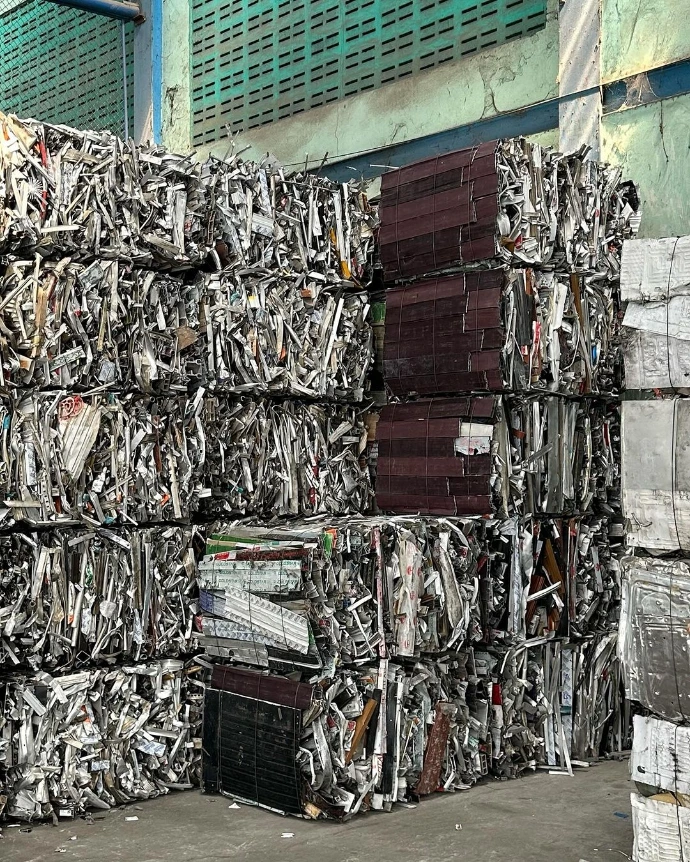
ALUMINIUM 6060
ISRI CODE: TUTU
DESCRIPTION: Clean aluminum alloy wheels free from tires , iron insert and excessive contamination
QUALITY: High aluminum recovery with minimal impurities
APPLICATION: Used in secondary aluminum smelters for new architectural extrusion profile production, window frames, and facade trimes
ALUMINIUM 6061
ISRI CODE : TUTU
DESCRIPTION : Aluminum 6061 is a precipitation-hardened alloy containing magnesium and silicon as its major alloying elements
APPLICATION : Widely used in aerospace, marine, and structural applications
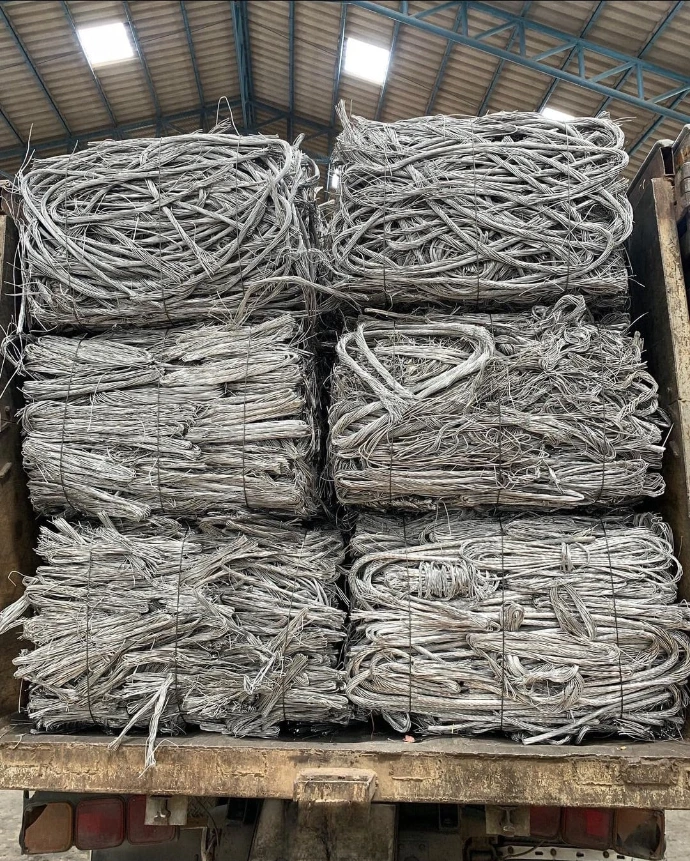
Aluminum Wire Scrap
DESCRIPTION : Aluminum wire scrap from electrical conductors and transmission cables
DETAILS : EC-grade (1350 alloy) aluminum offers excellent conductivity at 61% IACS and is widely used in power transmission
APPLICATION : Aluminum wire scrap is primarily melted down and recycled to manufacture new electrical cables, automotive components, sheets, and structural metal goods
FERROUS SCRAP
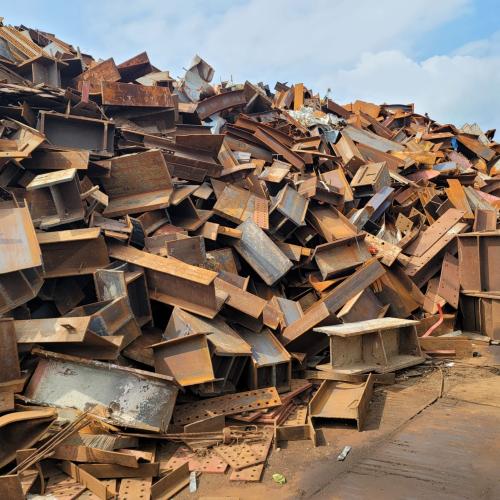
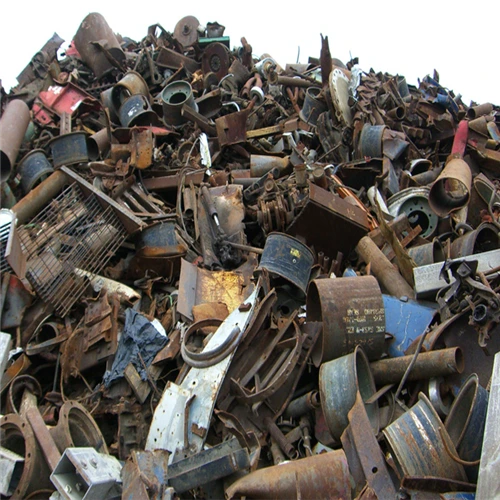
HMS 1
- ISRI Code : 200/202
- Description : Wrought iron or steel scrap 1/4 inch (6.35mm) and over in thickness. Individual pieces not over 60 × 24 inches.
- Quality : Free of galvanized, blackened, or coated steel. No cast iron.
- Application : Premium feedstock ensuring high yield and low slag. Ideal for mills requiring high purity.
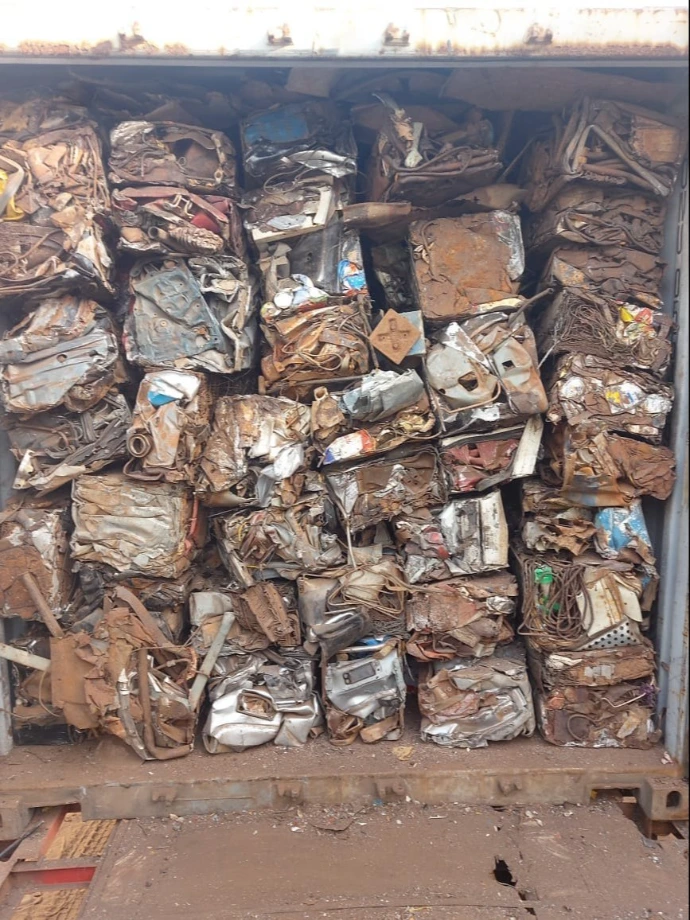
HMS 1&2
- ISRI Code : Blend
- Description : Strategic blend of 80% HMS 1 and 20% HMS 2. Provides balance of density and cost efficiency.
- Application : Industry standard for Induction and EAF furnaces.
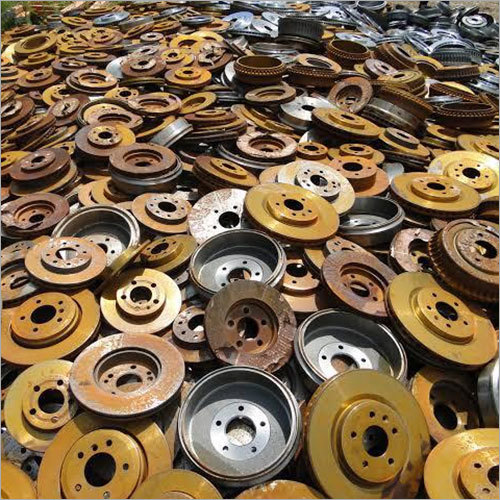
LMS Bundle
- ISRI Code : 231/232
- Description : Processed, compressed automobile bodies—often classified under codes like No. 2 bundles (ISRI 203-206) or specific dealer-negotiated specifications designed for steel mills. These bundles consist of stripped, crushed cars (engines/transmissions often removed) compressed to a high density (minimum 75 lbs/cu ft) to ensure efficiency in furnace charging.
- ISRI Classification : Often falls under ISRI 204 (No. 2 Bundles) or similar, which includes old auto body/fender stock, burnt or hand-stripped.
- Composition : Primarily steel, but may include aluminum, plastic, or rubber remnants, as long as it is within the specified limitations.
- Density : Must be tightly compressed, with minimum density standards (e.g., 75 pounds per cubic foot).
- Preparation : Generally free of all non-ferrous metal, engine blocks, and excessive trash, though minor contamination is permitted based on the specific grade.
Cast Iron
- ISRI Code : 261 / 262
- Description : Clean cast iron scrap including machine castings, engine blocks, pipes, and heavy cast components free from excessive rust, dirt, and non-ferrous attachments.
- Composition : High carbon iron alloy (typically 2–4% carbon) with silicon and trace elements.
- Properties : Brittle structure with excellent castability and high compressive strength.
- Application : Used in foundries for manufacturing new cast iron products such as pipes, automotive parts, and industrial castings
STAINLESS STEEL SCRAP
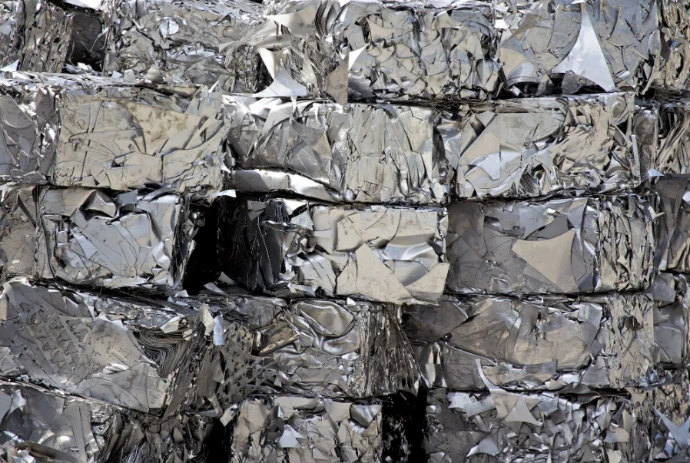

Stainless Steel 430 Scrap
DESCRIPTION : Stainless steel 430 is a ferritic grade containing 16-18% chromium with no nickel
APPLICATION : This magnetic, lower-cost stainless is used in appliances, automotive trim, and architectural applications.
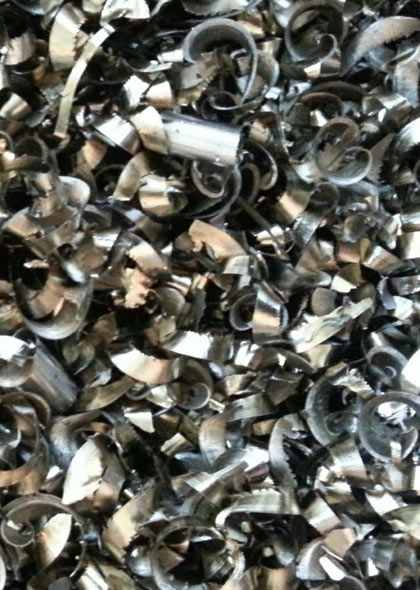
Stainless Steel Turnings
DESCRIPTION : Stainless steel turnings from machining operations. Includes 300 and 400 series alloys from CNC and conventional equipment. Sorted by grade where possible, as nickel content significantly affects value.
APPLICATION : stainless steel turnings are primarily utilized as high-value recyclable scrap metal in metallurgical remelting and alloy production
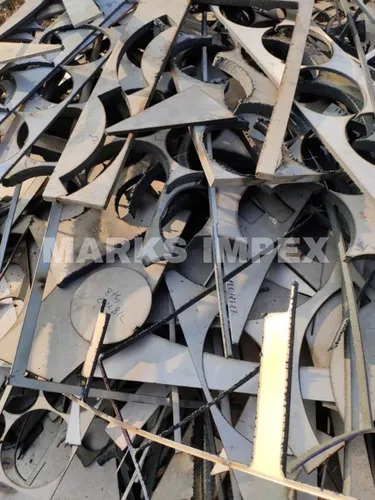
Stainless Steel 304 Scrap – Austenitic Grade
DESCRIPTION : Stainless steel 304 is the most common austenitic grade, containing 18% chromium and 8% nickel
APPLICATION : This versatile, corrosion-resistant alloy is used in food processing, chemical equipment, and architectural applications. Premium grade for nickel recovery.
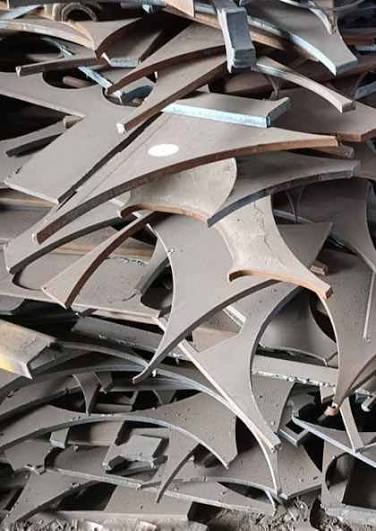
Stainless Steel 316 Scrap – Marine Grade
DESCRIPTION : Stainless steel 316 contains molybdenum for enhanced corrosion resistance, especially against chlorides
APPLICATION : Stainless steel 316 scrap (marine grade) is primarily melted down and recycled to manufacture new corrosion-resistant alloy products, high-value industrial equipment, and specialized marine hardware.